Shopping Cart
The arrival of chocolate to Europe: secret treasure to distinction symbol
During a long stage of the history of chocolate, the Spanish crown kept cocoa monopoly, Controlling your trade and your transformation. However, the fascination that aroused this new drink made the Humraving spreading through ports and commercial routes, carrying hot chocolate beyond the official borders.
Chocolate in the Spain of the XV centuries to the XIX
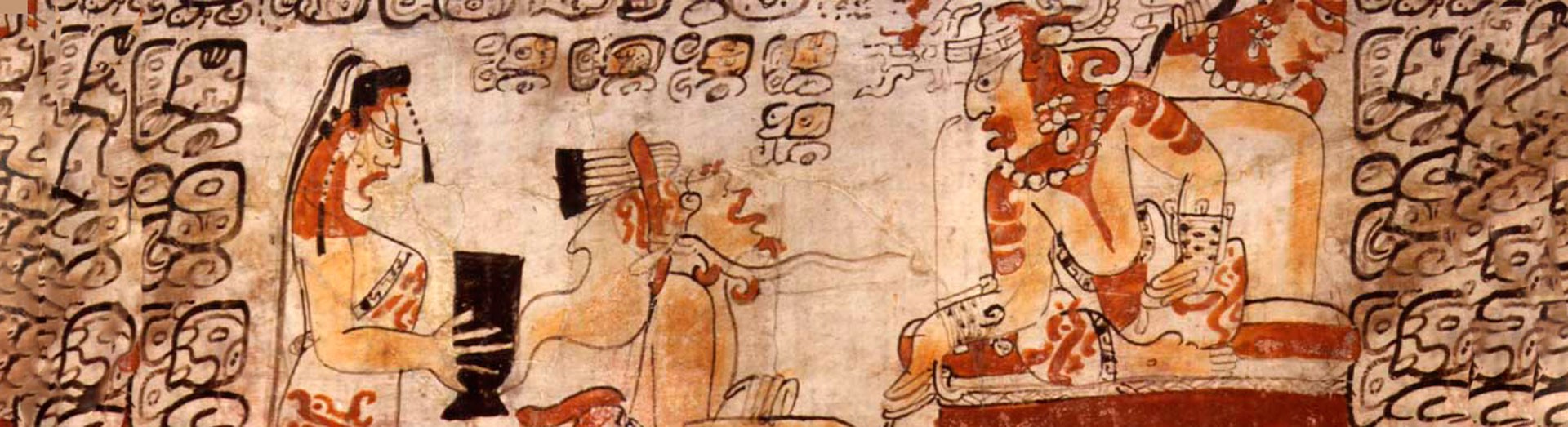
The history of chocolate in Europe begins in Spain. After the meeting between the Mesoamerican peoples and Spanish explorers in the fifteenth century, the cocoa reached the peninsula as a Ritual, exotic and deeply symbolic product. Its bitter taste surprised the court, but soon the Spanish monks and pasturbs began Adapt drink to European taste, adding sugar, cinnamon and spices that would forever transform the original recipe.
During the sixteenth and seventeenth centuries, Spain kept a Strict monopoly over cocoa, controlling its import from America and its distribution in Europe. Chocolate became a Luxury reserved for the nobility, the clergy and the urban elites, which consumed it both for pleasure and for its alleged medicinal properties. In convents and monasteries, the monks perfected the grinding and refined techniques, jealously guarding the recipes of the Chocolate to the cup, which would later spread throughout the continent.
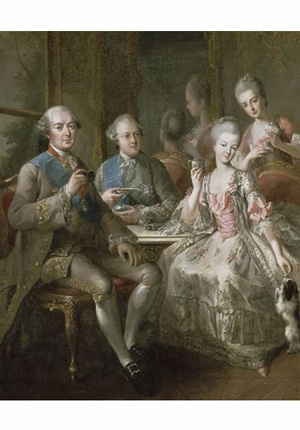
In the eighteenth century, chocolate was already part of the daily life of the Spanish accommodated classes. It was served in breakfast, gatherings and celebrations, and it was a Hospitality and distinction symbol. Chocolate farms began to proliferate in cities such as Madrid, Seville or Valencia, becoming social spaces where intellectuals, merchants and aristocrats were gathered.
Throughout the nineteenth century, with the commercial opening and the arrival of new industrial techniques, chocolate began to democratize. Although it was still a product associated with refinement, its consumption extended to broader layers of society. Spain, which had been the entrance door of cocoa in Europe, was still a Reference in the making of chocolate to the cup, keeping a tradition alive that still lasts.
Chocolate conquers European courts
This was born the Sweet chocolate drink to cup, I would soon cause fury in European courts. It was a Spanish princess, María Teresa of Austria, who introduced him in Versailles By marrying Louis XIV. There, chocolate became a caprice aristocratic, a luxury reserved for those who marked trend in French court life.
Years later, the Emperor Carlos VI it popularized in Vienna, integrating it into imperial ceremonies and receptions, consolidating its prestige in European high society.
The secret of its elaboration - agreed for years by the Spanish monks- He ended up spreading. Since then, hot chocolate became a social drink, a ritual that has lasted to this day.
Chocolate in modern Europe
Between the sixteenth and nineteenth centuries, the chocolate was appreciated not only because of its flavor, but also for its Medicinal properties. It was consumed as Digestive, stimulant and energy food, and it was considered a luxury reserved for Favored classes and the clergy.
His fame as invigorating food traveled from Boca in Boca: from Moctezuma, who took it as a beverage of power, until Casanova, who considered it an ally in his conquests. For a long time, the chocolate was a Exclusive food for adults, Surrounded by mystery, myth and desire.
Italy and chocolate refinement
In the 18th century, chocolate found a new home in Italy. Italian travelers and explorers who came back from America took the cocoa and their uses, integrating it quickly into the Kitchen and pastry. There it was transformed into an essential ingredient for desserts, creams and elaborations that today are part of the Italian gastronomic heritage.
The arrival of chocolate to Europe: secret treasure to distinction symbol
During a long stage of the history of chocolate, the Spanish crown kept cocoa monopoly, Controlling your trade and your transformation. However, the fascination that aroused this new drink made the Humraving spreading through ports and commercial routes, carrying hot chocolate beyond the official borders.
Chocolate in the Spain of the XV centuries to the XIX
The history of chocolate in Europe begins in Spain. After the meeting between the Mesoamerican peoples and Spanish explorers in the fifteenth century, the cocoa reached the peninsula as a Ritual, exotic and deeply symbolic product. Its bitter taste surprised the court, but soon the Spanish monks and pasturbs began Adapt drink to European taste, adding sugar, cinnamon and spices that would forever transform the original recipe.
During the sixteenth and seventeenth centuries, Spain kept a Strict monopoly over cocoa, controlling its import from America and its distribution in Europe. Chocolate became a Luxury reserved for the nobility, the clergy and the urban elites, which consumed it both for pleasure and for its alleged medicinal properties. In convents and monasteries, the monks perfected the grinding and refined techniques, jealously guarding the recipes of the Chocolate to the cup, which would later spread throughout the continent.
In the eighteenth century, chocolate was already part of the daily life of the Spanish accommodated classes. It was served in breakfast, gatherings and celebrations, and it was a Hospitality and distinction symbol. Chocolate farms began to proliferate in cities such as Madrid, Seville or Valencia, becoming social spaces where intellectuals, merchants and aristocrats were gathered.
Throughout the nineteenth century, with the commercial opening and the arrival of new industrial techniques, chocolate began to democratize. Although it was still a product associated with refinement, its consumption extended to broader layers of society. Spain, which had been the entrance door of cocoa in Europe, was still a Reference in the making of chocolate to the cup, keeping a tradition alive that still lasts.
Chocolate conquers European courts
This was born the Sweet chocolate drink to cup, I would soon cause fury in European courts. It was a Spanish princess, María Teresa of Austria, who introduced him in Versailles By marrying Louis XIV. There, chocolate became a caprice aristocratic, a luxury reserved for those who marked trend in French court life.
Years later, the Emperor Carlos VI it popularized in Vienna, integrating it into imperial ceremonies and receptions, consolidating its prestige in European high society.
The secret of its elaboration - agreed for years by the Spanish monks- He ended up spreading. Since then, hot chocolate became a social drink, a ritual that has lasted to this day.
Chocolate in modern Europe
Between the sixteenth and nineteenth centuries, the chocolate was appreciated not only because of its flavor, but also for its Medicinal properties. It was consumed as Digestive, stimulant and energy food, and it was considered a luxury reserved for Favored classes and the clergy.
His fame as invigorating food traveled from Boca in Boca: from Moctezuma, who took it as a beverage of power, until Casanova, who considered it an ally in his conquests. For a long time, the chocolate was a Exclusive food for adults, Surrounded by mystery, myth and desire.
Italy and chocolate refinement
In the 18th century, chocolate found a new home in Italy. Italian travelers and explorers who came back from America took the cocoa and their uses, integrating it quickly into the Kitchen and pastry. There it was transformed into an essential ingredient for desserts, creams and elaborations that today are part of the Italian gastronomic heritage.